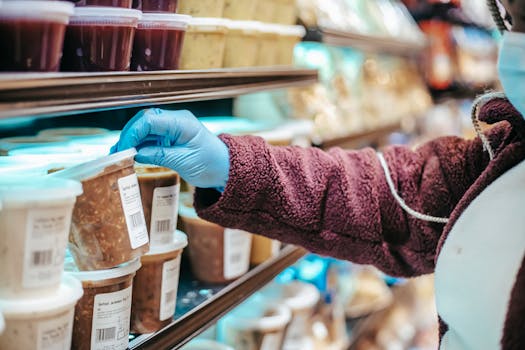

Imagine a bustling supermarket, a symphony of activity. Aisles hum with shoppers, carts glide, and behind the scenes, a complex ballet of inventory, pricing, and staffing unfolds. For decades, this dance was orchestrated by hand, with ledgers and guesswork. Today, however, the conductor is a sophisticated suite of supermarket softwares. These aren’t just tools for ringing up sales; they are the central nervous system of modern grocery retail, dictating efficiency, shaping customer experiences, and ultimately, influencing the bottom line. For an informed audience, understanding the depth and breadth of these systems is no longer optional – it’s a strategic imperative.
The Algorithmic Heartbeat: Inventory Management and Beyond
The most visible function of supermarket software, of course, is the Point of Sale (POS) system. Yet, its capabilities extend far beyond swiping cards and dispensing receipts. At its core, a robust POS is the gateway to comprehensive inventory management. It tracks every SKU, from the moment it enters the store to the instant it leaves. This real-time visibility is critical.
Demand Forecasting: By analyzing historical sales data, these systems can predict future demand with remarkable accuracy. This prevents costly overstocking of perishable items, reducing spoilage and waste, a significant concern for any grocer.
Automated Reordering: When stock levels hit pre-defined thresholds, the software can automatically trigger reorder requests, streamlining the procurement process and ensuring popular items are always available. This proactive approach minimizes lost sales due to stockouts.
Shelf-Life Management: For produce and dairy, precise tracking of expiration dates is paramount. Software can flag items nearing expiry, allowing for proactive promotions or markdowns, again mitigating waste.
Optimizing Price Points: The Dynamic Dance of Promotions and Profit
Pricing is an art form in the grocery sector, and software has transformed it into a science. Gone are the days of manual price changes that could take hours and invite errors. Today’s supermarket softwares offer granular control and strategic flexibility.
#### Dynamic Pricing Strategies
With the ability to update prices across all terminals instantaneously, retailers can implement a variety of sophisticated pricing strategies:
Weekly Flyers & Promotions: The backbone of grocery marketing, these are seamlessly managed, ensuring accuracy and timely execution across all touchpoints, from in-store signage to online ads.
Loss Leaders: Identifying key products to sell at a minimal profit (or even a loss) to draw customers into the store, with the expectation they’ll purchase other, higher-margin items.
Competitive Price Matching: Some advanced systems can even monitor competitor pricing (online or through data feeds) and suggest or automatically adjust prices to remain competitive.
Enhancing the Customer Journey: From Loyalty to Personalization
In a competitive landscape, customer loyalty is king. Supermarket software plays a pivotal role in cultivating and rewarding that loyalty, moving beyond simple transactional relationships.
#### Building Lasting Connections
Loyalty Programs: These systems are the engine behind digital loyalty cards, points accumulation, personalized discounts, and birthday rewards. They gather valuable data on purchasing habits, allowing for targeted marketing efforts.
Personalized Offers: Based on a customer’s purchase history, the software can generate highly personalized offers. Imagine a customer who frequently buys organic vegetables receiving a discount on a new line of organic produce. This level of tailored engagement fosters a sense of being understood and valued.
Omnichannel Integration: Increasingly, supermarket software bridges the gap between physical stores and online platforms. Online orders for click-and-collect or home delivery are seamlessly integrated with in-store inventory and fulfillment processes.
The Backbone of Operations: Efficiency and Security
Beyond customer-facing features, the operational backbone of a supermarket relies heavily on integrated software solutions. These systems ensure smooth day-to-day functioning and protect against internal and external threats.
#### Streamlining Store Management
Staff Management: Scheduling, time tracking, and payroll integration simplify HR processes, ensuring adequate staffing levels during peak hours while controlling labor costs during slower periods.
Loss Prevention: Detailed transaction logs, exception reporting (e.g., frequent voids or returns), and security camera integration help identify and deter internal theft and shrinkage.
Reporting and Analytics: This is where the true strategic advantage lies. Comprehensive dashboards provide insights into sales trends, profit margins by product category, customer demographics, and operational bottlenecks. This data empowers management to make informed decisions about product assortment, marketing campaigns, and operational improvements.
Embracing the Future: AI and Beyond
The evolution of supermarket softwares is far from over. The integration of artificial intelligence (AI) and machine learning is poised to revolutionize the sector even further. We’re already seeing AI-powered tools for:
Optimized Shelf Placement: Analyzing shopper traffic patterns to determine the most effective placement of products for maximum visibility and impulse buys.
Predictive Maintenance: Foreseeing equipment failures (like refrigeration units) before they occur, preventing product loss and costly emergency repairs.
* Automated Checkout: From self-checkout kiosks to fully automated “grab-and-go” stores, AI is driving innovations that reduce labor costs and enhance convenience.
Final Thoughts
The modern supermarket is a testament to the power of intelligent technology. Supermarket softwares are no longer mere conveniences; they are indispensable strategic assets. They provide the granular control needed to navigate complex supply chains, the analytical power to understand ever-shifting consumer preferences, and the operational efficiency required to thrive in a fiercely competitive market. For any stakeholder in the grocery industry, a deep appreciation for these systems, and a commitment to leveraging their full potential, is the surest path to sustained success and continued innovation.
